Director’s Note
DIRECTOR’S NOTE
This documentary resists the true crime formula that saturates streamers and podcasts. It’s a story about faith, and what it means to hold onto love, forgiveness and humanity on U.S. death row, a place built to extinguish all three.
When I was first conceptualizing The Window on Death Row, I spoke at length to sociologist Dr. Reuben Jonathan Miller. He encouraged me to resist the binary of innocence versus guilt when profiling an exoneree. The overwhelming majority of people on death row are poor. People of color are disproportionately represented and many prisoners live with serious mental illness. Against this backdrop, he said, many defendants are treated as though they must prove their innocence long before they enter a courtroom.
That conversation fundamentally shaped the editorial approach. I didn’t want to turn the viewer into the judge and jury by relitigating a death row case. This inadvertently turns prisoners or exonerees into an “it.” Guilty until proven innocent. I wanted this documentary to be different, to be about spirituality, forgiveness and healing above spectacle or scandal.
Executive producer, actor and death-penalty abolitionist Mike Farrell calls the film “unusual, touching and very inspiring,” praising its unique life-affirming approach to death row. “The possibility of someone rising out of the depths of despair to become not only a thoughtful but a caring, gentle, and humane human being is one of the beauties of this film,” he said.
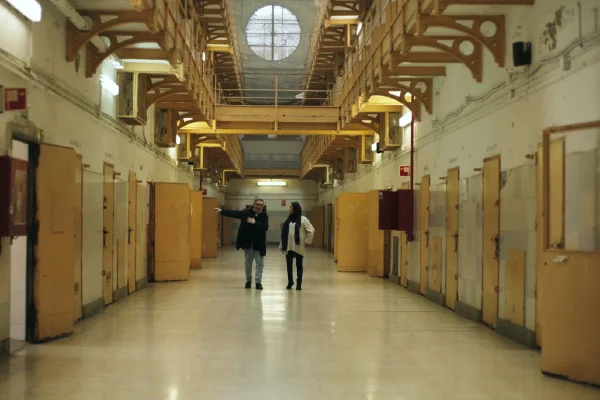
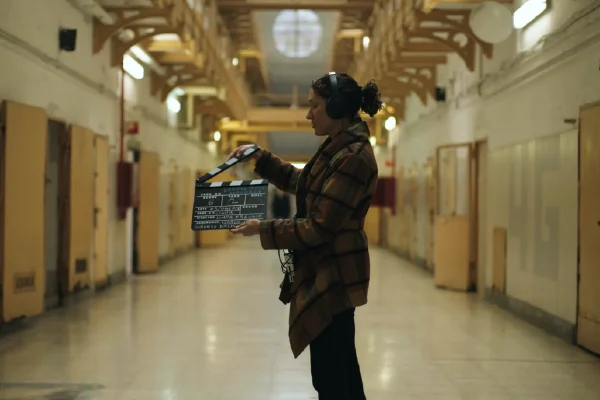

The Window on Death Row opens with a direct question for Joaquín: Why are you doing this? In documentary storytelling, I believe we have a responsibility to remain mindful, not only of the trauma and potential re-traumatization experienced by survivors who share their stories, but also of those who translate and mediate these accounts. I often ask myself: How will telling this story serve and support both the people who have lived through these traumas and the audience encountering them for the first time?
My aim is to feature people who feel ready to speak about their trauma from a position of empowerment and dignity, not from victimhood, and who have a clear reason for choosing to participate. Whether the focus is on migration or death row, I strive to reveal the humanity behind each political controversy, offering a meditation on what it means to survive, to begin again, and find faith and strength when the world has seemingly turned against you.
More than forty people have been executed in the U.S. so far in 2025, the highest number in a decade, even as national support for capital punishment continues to decline. Methods are shifting, with states striving to find an “ethical” way to execute. My film looks at botched executions and asks: Is there ever an ethical way to kill someone? And If the possibility exists that even one innocent person can be condemned to death, what does that reveal about the reliability of the justice system as a whole?
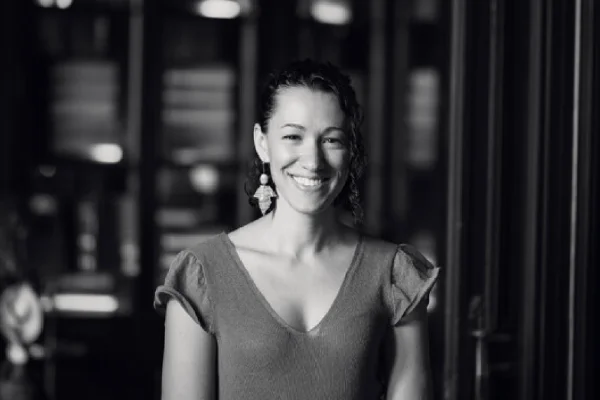
LINDA FREUND
Linda Freund is an award-winning documentary filmmaker and journalist based in Barcelona. She directed the documentaries The Migrant Priest (2022, Italy) and The Window on Death Row (2025, Spain). She is a journalism fellow at the USC Center for Religion and Civic Culture . She was a staff senior video journalist at The Wall Street Journal and has reported from conflict zones across South Asia and East Africa.